
Food Photography vs Restaurant Videography — When You Need Each
In today’s hospitality world, restaurants are no longer judged solely by their food — they’re judged by their visuals. Your photography and videography form the first impression customers have before they ever walk into your space.
But while both photography and videography are essential tools in modern restaurant marketing, they serve very different purposes. Knowing when to use photos, when to use video, and when to use both can make a huge difference in how your brand grows online.
This guide breaks down the strengths of each format, when they work best, how they support each other, and how restaurants can use both strategically.
1. Photography Captures Perfection — Video Captures Emotion
At the highest level:
Photography freezes a perfect moment.
Videography shows the energy behind the moment.
Both matter — but they do very different things.
Food photography is ideal for:
Menus
Websites
PR & press
Posters and printed materials
Google listings
High-end branding
Social media carousels
Clean dish documentation
Photography emphasises:
Detail
Texture
Plating precision
Colour
Shape
Craft

2. Videography Captures Movement, Story, and Atmosphere
If photography is the still moment, videography is the experience.
Video shows:
Steam rising
Flames and sizzles
Sauce drizzling
Pasta folds
Knife slicing
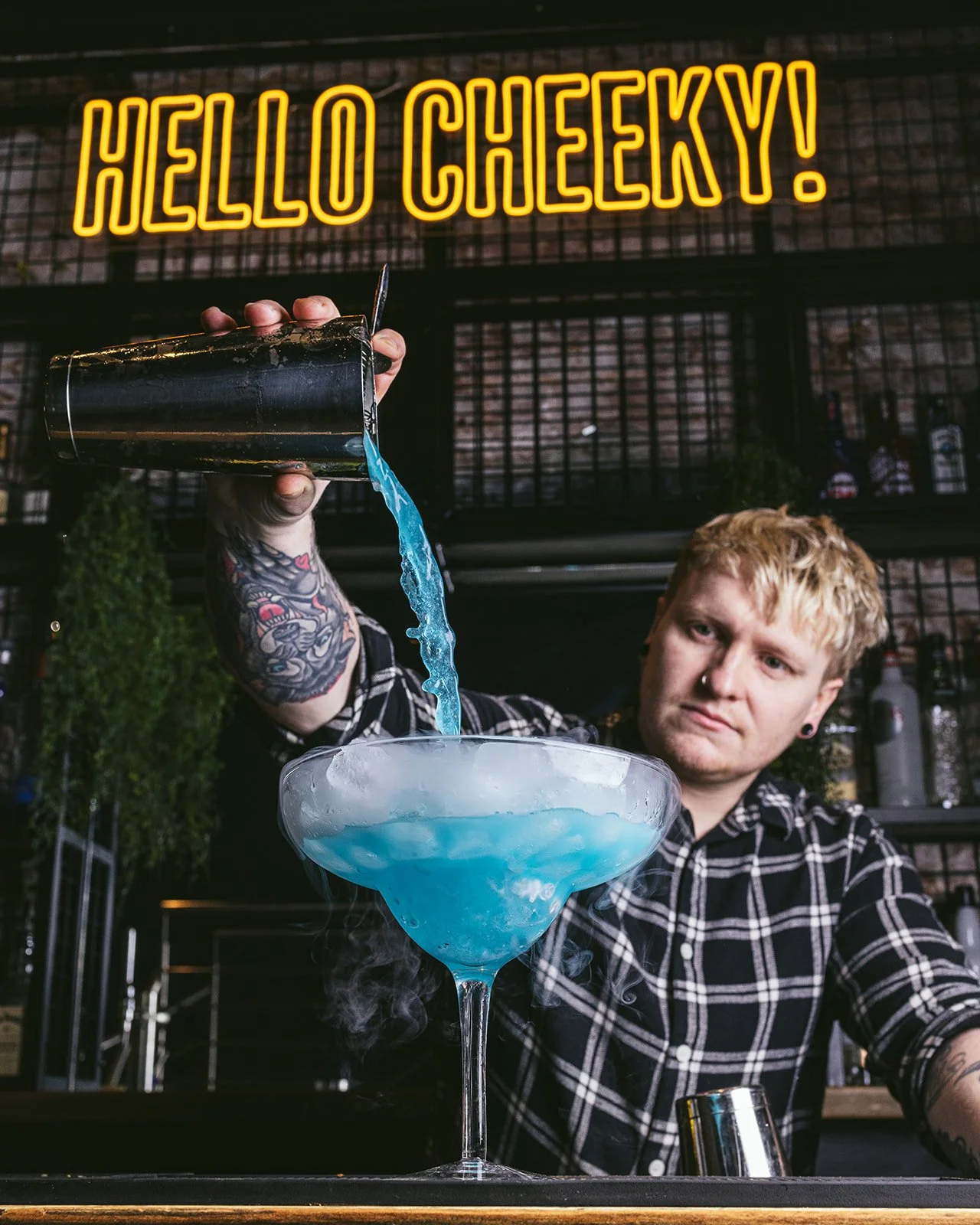
Drinks being shaken or poured
The ambience of dining
The pace of the kitchen
The people behind the food
Video is essential for:
Instagram Reels
TikTok
Restaurant film promos
Brand storytelling
Website banners
Ads
Seasonal campaigns
Atmosphere-led marketing
Photography says:
“This dish looks incredible.”
Videography says:
“This is what it feels like to eat here.”
3. Photography Works Best for Static, Precise, Controlled Shots
Photography excels when you want exact, clean, consistent visuals.
Ideal for:
Menu photography
Tasting menu documentation
Cocktails (hero shots)
Desserts
PR images
Brand photography
Staff portraits
Table setups
You get:
Crystal-clear colours
Perfect lighting
Controlled composition
Multiple angles of the same dish
Close macro details
If you want to show how technically beautiful a dish is, photography is the medium.
Examples:
Fine dining plating
Bright, colourful dishes
Minimalist plates
Textural desserts
Crispy, glossy, shiny dishes
Shellfish, pasta, garnishes, chocolate work
4. Videography Works Best for Emotion, Energy, and Engagement
Video is king for attention.
It shows everything photography can’t:
Motion
Texture changes
Pouring, slicing, garnishing
Flames
Sound (sizzle, crack, shake)
Human moments
Full experiences
Best uses for video:
Reels & TikTok (the highest reach tool right now)
Behind-the-scenes kitchen content
Cocktail making
Staff interactions
Interior ambience (candles, lights, movement)
Restaurant ads
Brand films
Seasonal promotions
Video gives customers a sense of life, not just aesthetics.
5. Photography Sells the Dish — Video Sells the Restaurant
This is the simplest way to think about it:
Photography sells the food.
Videography sells the experience.
A potential customer sees a beautiful photo →
They think: “That dish looks amazing. I want to try it.”
A potential customer watches a video →
They think: “I want to be in that atmosphere.”
Restaurants should use both strategically:
Purpose
Best Format
Showcasing individual dishes
Photography
Menu launches
Both
Selling the ambience
Videography
Social media engagement
Videography
PR features
Photography
Behind-the-scenes
Videography
Website visuals
Both
Ads
Both
Google profile
Photography
TikTok growth
Videography
6. Photography Is Essential for Press & PR
Magazines, journalists, and PR firms want clean, high-resolution photography.
Videography is rarely used in press.
Photography is the format that gets you:
Online features
Local press
Interior shots for listings
Chef features
Guest articles
Editorial placements
If your restaurant wants PR attention, photography is non-negotiable.
7. Videography Dominates Social Media Growth
If you want reach, followers, and viral potential:
⭐ Videography wins.
Instagram Reels and TikTok weight video far more heavily than stills.
Restaurants that post:
2–4 Reels per week
High-quality cinematic clips
Behind-the-scenes kitchen moments
Cocktail action
Plating sequences
…grow significantly faster than those relying on photos alone.
This is why photo + video hybrid shoots have become the standard across hospitality.
8. Cost-Effectiveness: Photos Last Longer — Videos Perform Better
Photography is long-lasting.
A single dish photo can be used for:
A year or longer
Your menu
Website
Press
Social media
Booking platforms
Email marketing
Videography is more "consumable"
Reels get used quickly — but deliver unmatched visibility.
A 1-day shoot providing:
6–12 dishes
4–8 Reels
Interior b-roll
BTS clips
…can fuel your socials for a month or more.
This is why restaurants often book monthly hybrid shoots — to get the best of both worlds.
9. When Your Restaurant Should Prioritise Photography
Photography should be your priority when:
Launching a new menu
Refreshing your website
Rebranding
Doing PR
Updating your Google profile
Creating printed materials
Documenting seasonal dishes
You need timeless, evergreen assets
Your plating is visually impressive
Photos are polished, permanent, and reusable.
10. When You Should Prioritise Videography
Videography should come first when:
You want social media growth
You’re focusing on Reels/TikTok
You want to show behind-the-scenes kitchen life
You’re launching a new cocktail menu
You want to showcase ambience
You’re telling the story behind your brand
You want a restaurant promo film
You’re running paid ads
You want to show personality, movement, or energy
Video is emotional and modern — essential for restaurants in 2025.
⭐ Conclusion: You Don’t Choose One — You Choose the Right Tool for the Moment
Photography and videography aren’t competitors — they’re complementary tools.
Photography:
Sells dishes
Wins PR
Builds trust
Elevates menus
Strengthens your brand identity
Videography:
Sells atmosphere
Drives social growth
Captures emotion
Tells your story
Creates momentum and reach
The strongest restaurant brands use both.
And your strategy should be built around what you want customers to feel the moment they see your content.
When your visuals reflect the quality of your food and the energy of your service — your restaurant becomes unforgettable.