
A Behind-the-Scenes Look at a Restaurant Shoot with Dot Dash Media
Professional restaurant photography and videography may look effortless from the outside, but behind every clean, cinematic image is a carefully crafted process. From coordinating with the kitchen to controlling light, capturing real moments, and balancing creativity with speed, a restaurant shoot is a full team effort.
In this behind-the-scenes guide, I’m taking you through exactly what happens during a typical restaurant photoshoot — from my perspective as the photographer — so you know what to expect when you book a session with Dot Dash Media.
Whether you’re a head chef, restaurant manager, owner, or marketing lead, this walkthrough will help you understand how we work, how to prepare, and how we get the most out of your session.
1. It All Starts Before I Arrive — Pre-Shoot Planning
Every successful shoot begins with communication. Before the day arrives, we confirm:
The dishes being shot
The order they’ll be plated
Any drinks, cocktails, desserts, or specials to include
Whether we’ll be capturing interiors or team photos
Shots needed for social media (Reels, TikTok, campaigns)
Seasonal materials (Christmas, Valentines, etc.)
The restaurant’s busiest times
Lighting conditions depending on time of day
Overall visual tone (clean, moody, vibrant, atmospheric)
No two restaurants are the same.
Some shoots focus heavily on fine dining plating details; others lean into lifestyle, cocktails, interiors, or high-energy kitchen action. The pre-shoot discussion ensures we plan the day around your concept, your space, and your team.
[Insertacleaninteriorormise−en−placeimagehere]
2. Arrival — Setting the Tone for the Day
When I arrive, the first thing I do is walk through the restaurant and the kitchen.
I look for:
Clean surfaces
Strong natural light sources
Unique textures
Table setups
Interesting shadows
Areas that could be used for specific dishes
Power outlets for lighting
Colour palettes that match your brand
Any problematic reflections (mirrors, glass, metal)
Each restaurant has its own personality, so while I always bring a plan, I remain flexible — sometimes the best shots come from unexpected corners.
The goal:
Create a calm, collaborative environment that blends seamlessly with the kitchen's rhythm.
3. Setting Up the Lighting & Gear
Food photography is all about light.
For most restaurants, I bring:
A key LED light with softbox
Bounce boards
Diffusers
A macro/close-up lens
A fast prime lens
A cinema camera (if video is included)
A lightweight tripod or slider for smooth movement
Props as needed (linen, textured boards, etc.)
Natural light:
If the restaurant has beautiful windows, I’ll use that as much as possible — then shape it with diffusion panels to soften harsh shadows.
Artificial light:
For evening shoots or darker spaces, a controlled key light with soft diffusion gives that clean, soft, appetising look. The goal:
Make every dish look as good as it tastes — or better.
4. Shooting the First Dish — A Warm-Up for Everyone
Once the first dish is ready, I’ll position it at the best table or surface in the room.
Typical steps:
Find the perfect angle
Fine-tune the lighting
Clean the plate edges
Adjust garnishes
Remove background clutter
Test shots for colour/contrast
Capture overhead, 45°, close-up, and detail shots
This part is collaborative. The chef might decide a garnish should sit differently. The manager might prefer the dish shot on a different plate. The bartender may bring a drink that complements the colours.
It’s a gentle warm-up for everyone involved.
Once we find the rhythm, the shoot flows quickly.
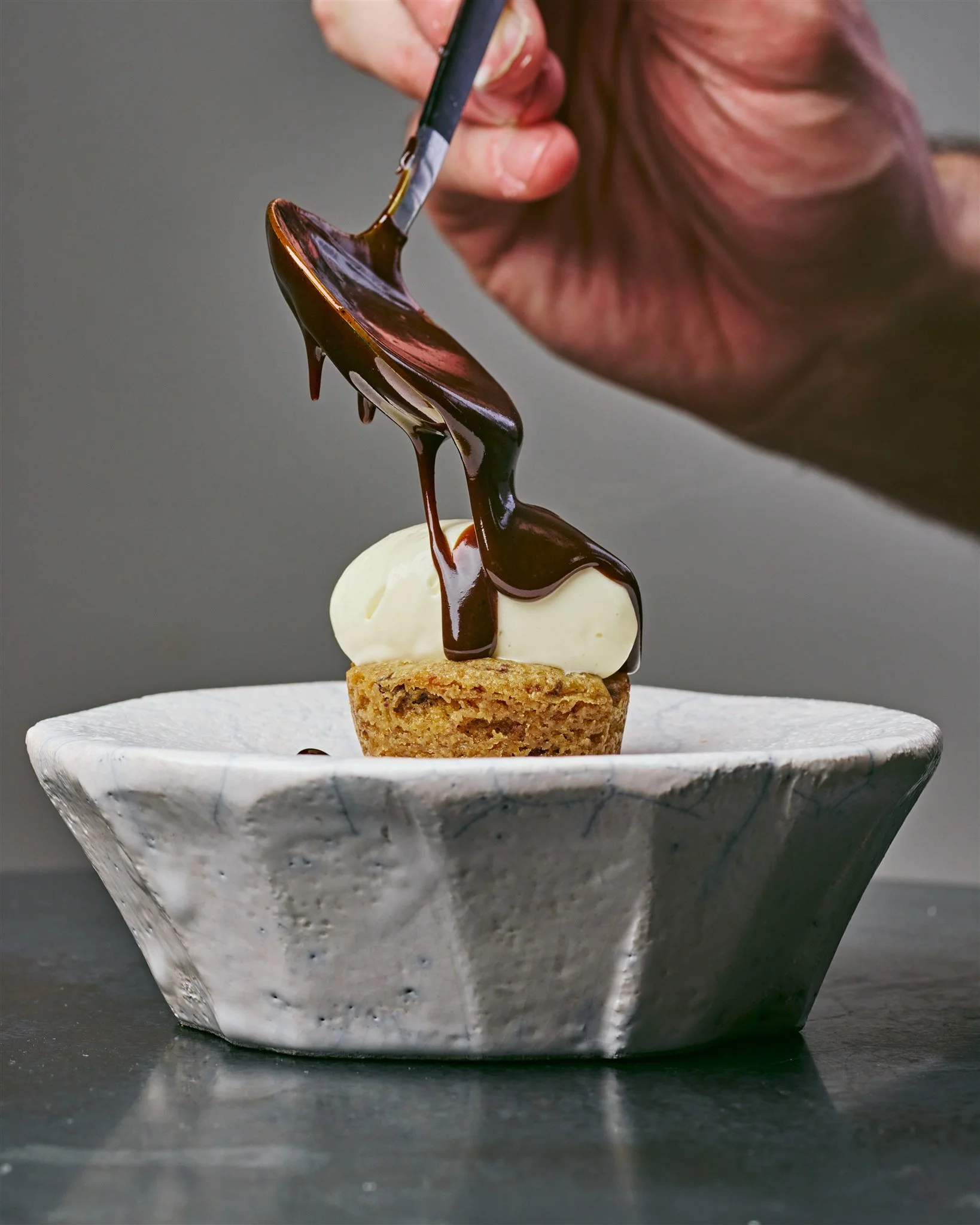
5. Flowing Through the Shot List — The Momentum Builds
Most shoots follow a natural rhythm:
Food > Drinks > Interiors > Lifestyle > Kitchen action
But this can shift depending on:
Light changes
Kitchen prep
Dish timing
Team availability
For food:
We shoot 1–2 plate variations per dish:
Hero angle
Close-up macro
Overhead
Textural detail
Ingredient spotlight
For drinks:
Cocktails often benefit from:
Backlighting
Rim shine
Pour shots
Macro details
Garnish action
For interiors:
We capture:
Wide establishing shots
Table setups
Textures & materials
Signature décor
Lighting fixtures
Bar details
Interiors are usually done while the kitchen resets for the next round of dishes.
6. Capturing the Kitchen — The Real Storytelling
The kitchen is where the magic happens.
I capture:
Saucing
Torch flames
Garnish placement
Dough rolling
Pasta folding
Slicing
Plating
Chef expressions
Team interactions
These moments feel alive.
The steam, the movement, the hands — it’s storytelling in its purest form.
If we’re shooting video, this becomes even more dynamic. Slow-motion plating, flames, close-up textures, and ingredient handling create incredible cinematic footage for Reels and brand films.
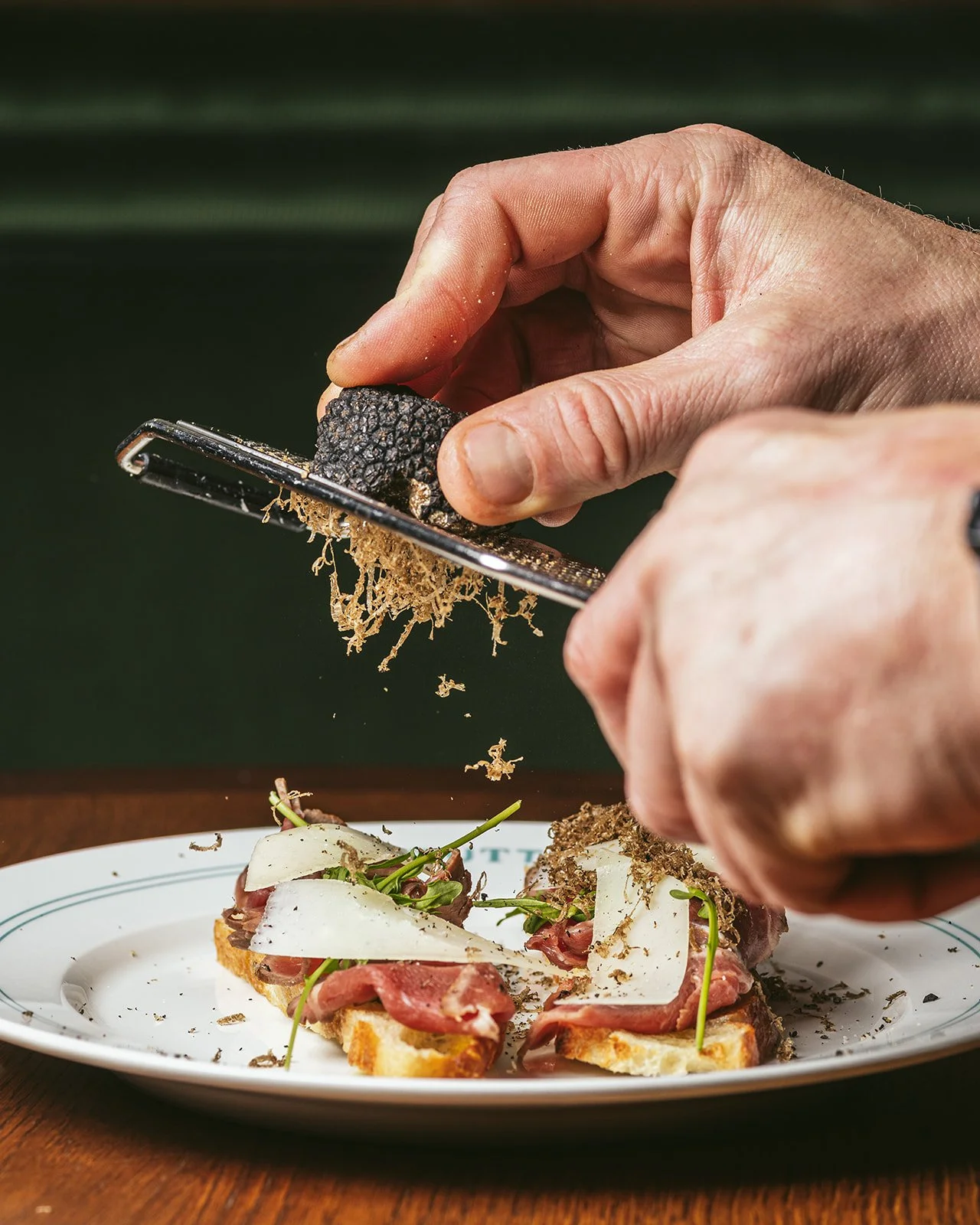
7. Working with the Team — Smooth, Natural, Unobtrusive
A restaurant shoot isn’t about staging huge productions.
It’s about blending into the environment.
I keep the mood:
Calm
Collaborative
Respectful of service
Efficient
Flexible
Staff usually enjoy the process — they see their hard work elevated and appreciated.
FOH involvement:
Wine pours
Serving shots
Carrying plates
Hands interacting with dishes
Table touches
These small human touches bring the images to life.
8. Video Content — The Modern Essential
Even if the shoot begins as “just photos,” it’s common for restaurants to request:
B-roll video
Quick Reels
10–15 second clips
Chef introductions
Seasonal promos
New dish features
With TikTok and Instagram Reels dominating attention, video has become a core part of every shoot.
Typical video highlights captured:
Plating
Slicing
Pouring
Flames
Garnishes
Interior pans
Atmosphere and ambience
Staff interactions
9. Wrapping Up — Reviewing the Gallery
Once the shoot is complete, I pack down quickly and let the team resume service.
Within a few days, you’ll receive an online gallery that includes:
Fully edited photos
A curated selection of the strongest shots
Colour grading consistent with your brand
Social-ready crops
Reel-ready video clips (if in the package)
Any cinematic footage captured
Restaurants typically use the content for:
Instagram
TikTok
Website updates
Google listings
Press kits
PR campaigns
Menu design
Promotional posters
Staff recruitment
The end result?
A full, versatile library of content that elevates your brand across every platform.
10. Why BTS Matters — Transparency Builds Trust
Restaurants love seeing behind-the-scenes content because it shows:
How professional the process is
How much care goes into each shot
How collaborative the atmosphere feels
How clean and beautiful the restaurant looks
How dishes come to life
Customers love BTS too — it gives them a sense of the people behind the food.
And when potential clients see the process, they understand the value of investing in high-quality content.
Conclusion: A Restaurant Shoot Is Creative, Fast, Fun — and Incredibly Rewarding
A restaurant shoot isn’t just about taking photos.
It’s about capturing:
The artistry of your dishes
The soul of your kitchen
The warmth of your service
The story behind your brand
From planning to lighting, plating, coordination, and delivery — the entire process is built around showcasing your food in its best possible light.
That’s what Dot Dash Media specialises in:
Cinematic, honest, beautifully crafted hospitality storytelling.
If you’re ready to capture the best version of your restaurant, your menu, and your team, get in touch — and let’s create something truly special together.