
Best Times of Day to Photograph Food, Interiors & Service
Great restaurant photography is never accidental. The time of day you shoot impacts everything — the quality of the light, the ambience of the interior, the energy in the kitchen, and even how your dishes look on camera.
While a skilled photographer can work in any environment, understanding the ideal times to shoot each type of content can make the final results more cinematic, consistent, and visually appealing.
This guide breaks down the best times of day to photograph food, interiors, people, and service inside a restaurant — based on real-world experience shooting dozens of venues across London and the UK.
1. Lighting Changes Everything — Natural or Artificial
Before diving into timing, it’s important to understand the role of light.
Natural light creates:
Soft shadows
Gentle highlights
Clean, honest colours
A relaxed, organic look
Artificial light creates:
More control
Evening ambience
Mood and atmosphere
Consistency regardless of weather
A mix of both is often ideal.
But timing determines how much natural light you’re working with — which can drastically change the final look.
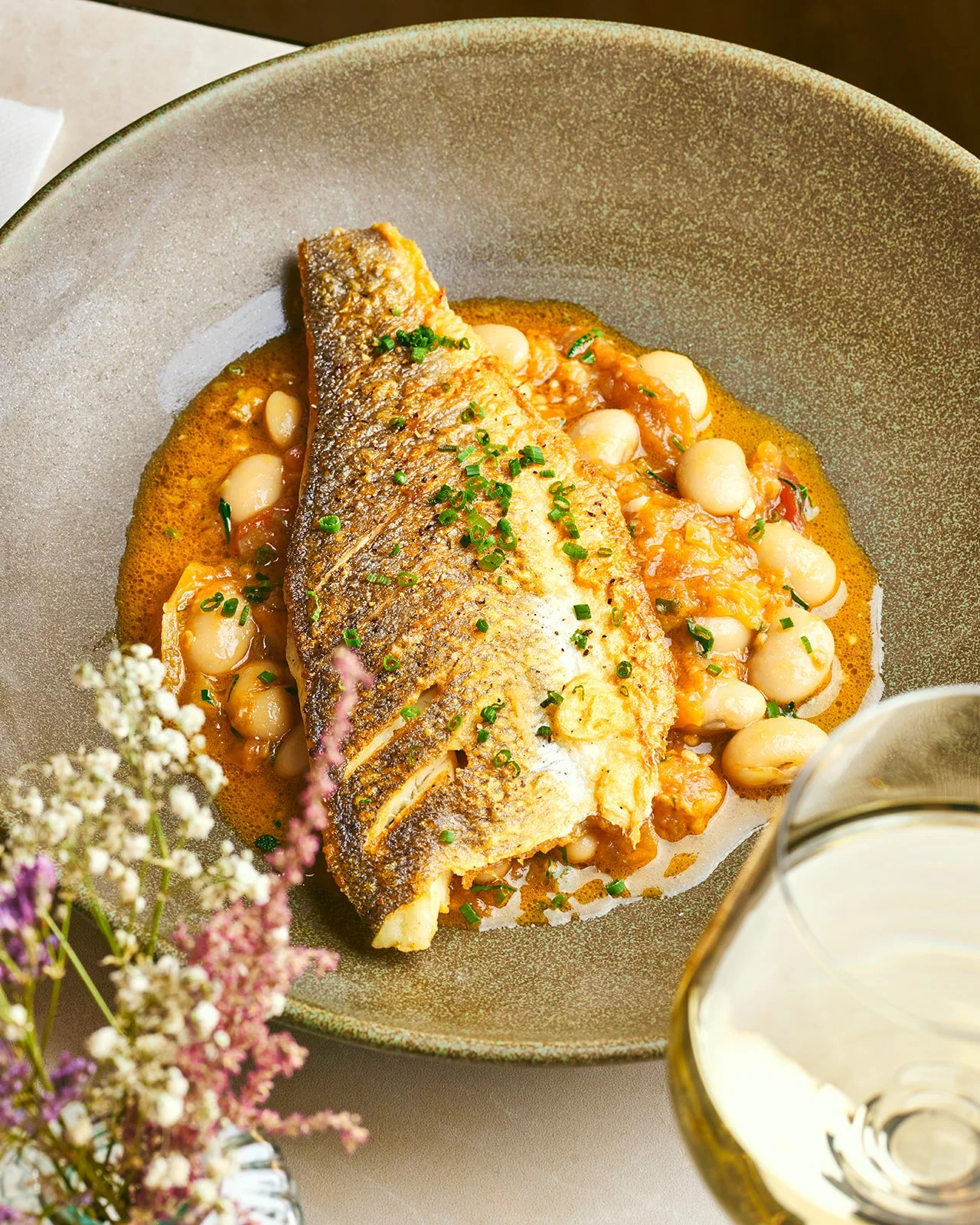
2. Best Time of Day to Photograph Food: Midday to Late Afternoon
Food looks its best under controlled, soft lighting.
Restaurants usually offer the best conditions between:
11:00 AM — 3:00 PM
Why?
The kitchen is fully prepped
Plating is consistent
Chefs are fresh and focused
There’s no service rush
There’s enough daylight (even when diffused)
You have space to shoot without interruptions
This time window is ideal for:
Tasting menus
Menu launches
Hero dish photography
Desserts
Close-up details
Ingredient shots
If the restaurant has windows:
Late morning / early afternoon gives the perfect balance of ambient daylight without harsh shadows.
If the restaurant is dark or underground:
Controlled lighting creates a clean, premium look without relying on natural light.
3. Best Time to Shoot Interiors: Late Morning or Early Afternoon
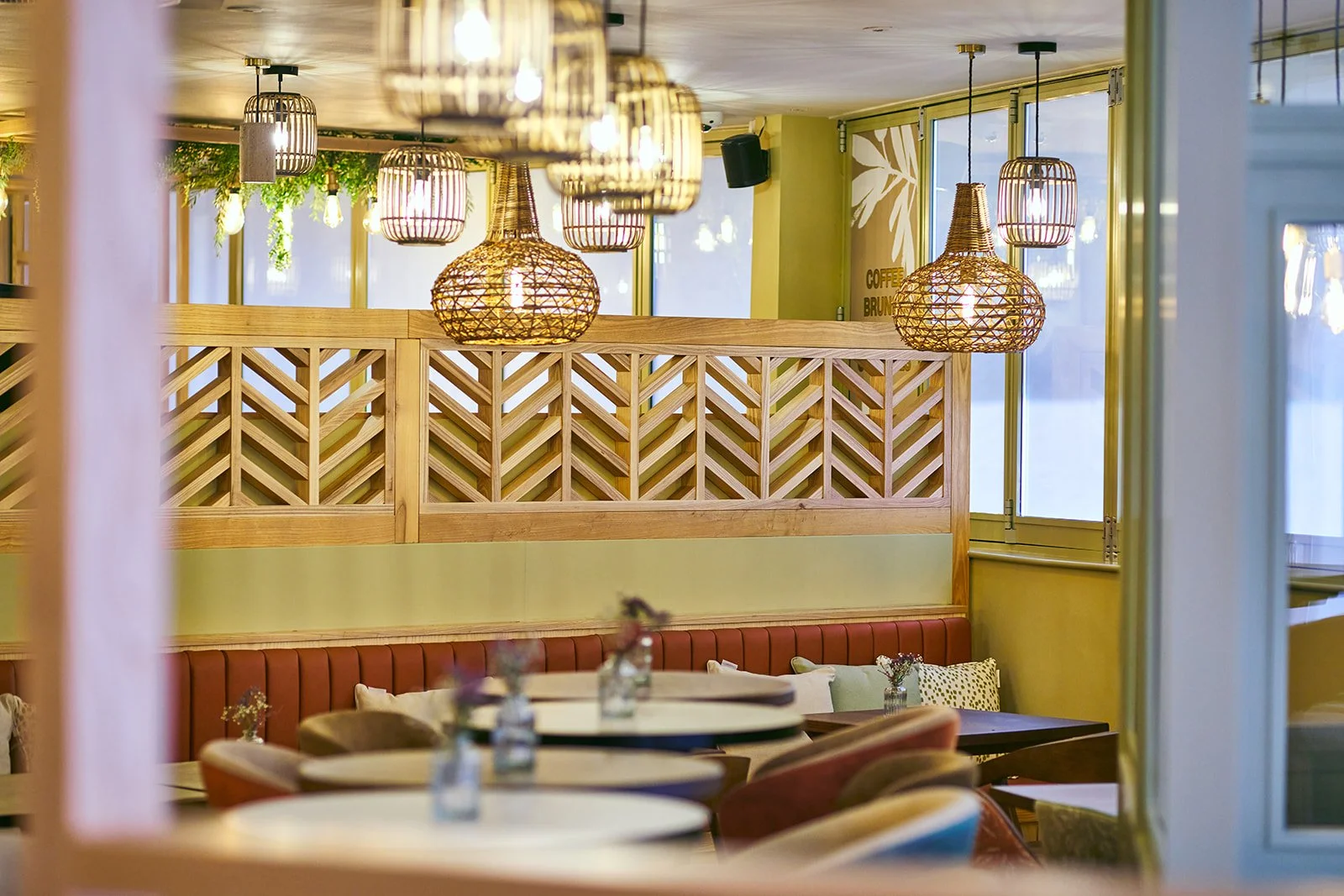
Interior photography is incredibly dependent on light direction and strength.
Best interior window:
10:00 AM — 1:00 PM
During this period:
Sunlight is softer
Shadows are gentle
Colour temperature is natural
Tables and surfaces are freshly cleaned
The restaurant is empty (or nearly empty)
Chairs, linens, and décor can be arranged without disruption
Why not late afternoon?
Late-afternoon sunlight can be warm and beautiful — but can also create:
Harsh beams
Hard shadows
Uneven light patches
Strong colour casts
These issues are manageable, but require more corrective lighting or diffusion.
Why not evenings?
Evening interiors rely heavily on artificial lighting.
This can create beautiful mood and atmosphere, but it will look dramatically different from natural-light shots.
Best practice:
Capture both if possible — bright daytime interiors + moody evening ambience.
4. Best Time to Photograph People: Mid-Afternoon or Early Evening
People look best when the energy is calm but authentic.
Best time window to capture staff, FOH, or BTS:
3:00 PM — 6:00 PM
This is when:
Prep is happening
The kitchen is active
Staff are focused
Natural light still exists indoors
There’s enough movement for storytelling
You can capture ambience and workflow
Why not morning?
The kitchen may still be prepping or receiving deliveries
The dining room might not be styled yet
The energy is more setup-focused than story-focused
Why not during service?
Shooting during service can be incredible — but only when planned properly.
It’s fast, intense, and crowded.
Not ideal for close-ups or intricate shots, but excellent for:
Hands carrying plates
Wine being poured
Crowds
Atmosphere
Serving moments
5. Best Time to Capture Ambience & Atmosphere: Golden Hour or Evening
Ambience is about mood, not accuracy.
If your restaurant has windows:
Golden hour (about 1 hour before sunset) gives:
Soft, warm light
Beautiful shadows
Cinematic highlights
A romantic tone
Golden hour is perfect for:
Cocktail shots
Soft-lit table scenes
Warm, glowing interiors
Window-side seating
If your restaurant is dark, intimate, or candlelit:
Evenings are best.
Artificial lighting creates:
Deep shadows
Warm tones
Intimate vibes
Visual contrast
Energy and movement
Use this time to capture:
Candles flickering
Lamps glowing
Bar scenes
Service in action
Guests enjoying meals
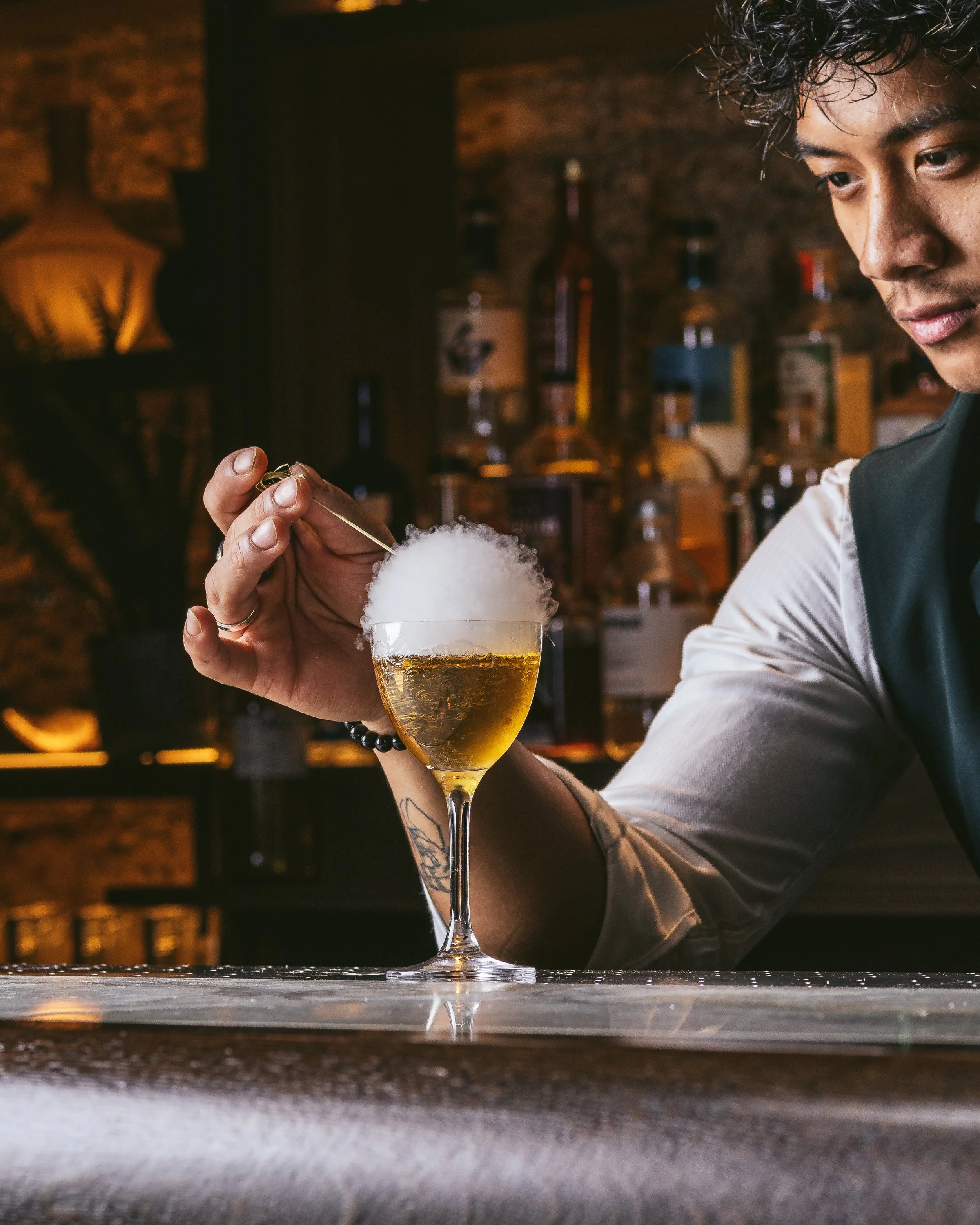
6. Best Time to Shoot Drinks: Late Afternoon to Early Evening
Cocktails and drinks need the right blend of ambient and artificial light.
Best drink photography window:
4:00 PM — 7:00 PM
Why this works:
Natural light helps with colour accuracy
Artificial lighting adds shine and contrast
The bar team is usually available
Prep is done
Fresher garnishes
No dinner rush yet
Cocktails look their best when their:
Bubbles are fresh
Ice is crystal clear
Garnishes haven’t wilted
Condensation is visible
Evening shoots add beautiful reflections, bokeh, and atmosphere.
7. Best Time for Exterior Shots: Early Morning or Late Afternoon
Exterior photos are extremely sensitive to:
Weather
Sun direction
Shadows
Reflections
Foot traffic
Best exterior windows:
Early morning (clean, cool, even light)
Late afternoon (warm, soft, directional light)
Avoid:
Midday (harsh, unflattering light)
Early afternoon (flat shadows)
Rainy days (unless moody is the goal)
8. Best Time to Shoot Service: Start of Service or Light Rush
Shooting service is all about authenticity, but it shouldn’t get in the way of staff or diners.
Ideal service windows:
First 20 minutes of dinner service
A moderate wave (not fully slammed)
Early lunch service at a slower pace
This allows:
Real interactions
Natural plating
FOH movement
Shots of diners without disruption
Clean, controlled workflow
Avoid:
Peak service rush (too chaotic)
Very quiet periods (no energy)
Staff changeovers (disruptive)
9. When You’re Combining Photo + Video — Midday Is King
Hybrid shoots are the most common for restaurants today.
If you’re capturing:
Hero dish photos
Reels
BTS
Interiors
Drinks
Atmosphere
…midday offers the most flexibility.
Recommended hybrid schedule:
11:00–1:00 Food + details
1:00–2:00 Interiors
2:00–4:00 Drinks + FOH shots
4:00–6:00 BTS video + golden hour ambience
6:00–7:00 Early service shots
This gives you everything in a single shoot.
⭐ Conclusion: The Best Time Depends on the Story You Want to Tell
There’s no single “perfect” time to shoot in a restaurant — it depends on:
Your menu
Your interior lighting
The mood you want
The style of content
The energy of your venue
Whether natural light is available
Whether video or stills are the priority
But generally:
Food: 11 AM–3 PM
Interiors: 10 AM–1 PM
People: 3 PM–6 PM
Ambience: Golden hour or evening
Drinks: 4 PM–7 PM
Service: Start of service
Hybrid: Midday start
Understanding these windows allows you to create content that feels intentional, beautiful, and aligned with your brand.
The more you work with timing in your favour, the more cinematic and compelling your visuals become.