
How Restaurants Can Improve Their Social Media With Better Visuals | Dot Dash Media
Social media has become one of the most powerful tools for restaurants. It’s where customers discover new venues, shortlist places to eat, and decide whether a restaurant fits the experience they’re craving.
But with thousands of restaurants posting food photos every day, the question becomes:
How do you stand out?
The answer isn’t complicated — better visuals.
High-quality photography and video make the difference between scrolling past and saving a post, between ignoring a venue and booking a table. In this guide, we’ll break down exactly how restaurants can improve their social media presence through intentionally crafted visual content.
1. Understand What Customers Actually Want to See
Most restaurants post the same things:
A quick phone picture of a dish
A shaky video of a cocktail
A dark interior shot
A poster graphic
A random behind-the-scenes clip
The issue isn’t the effort — it’s the lack of intention.
Customers want to see:
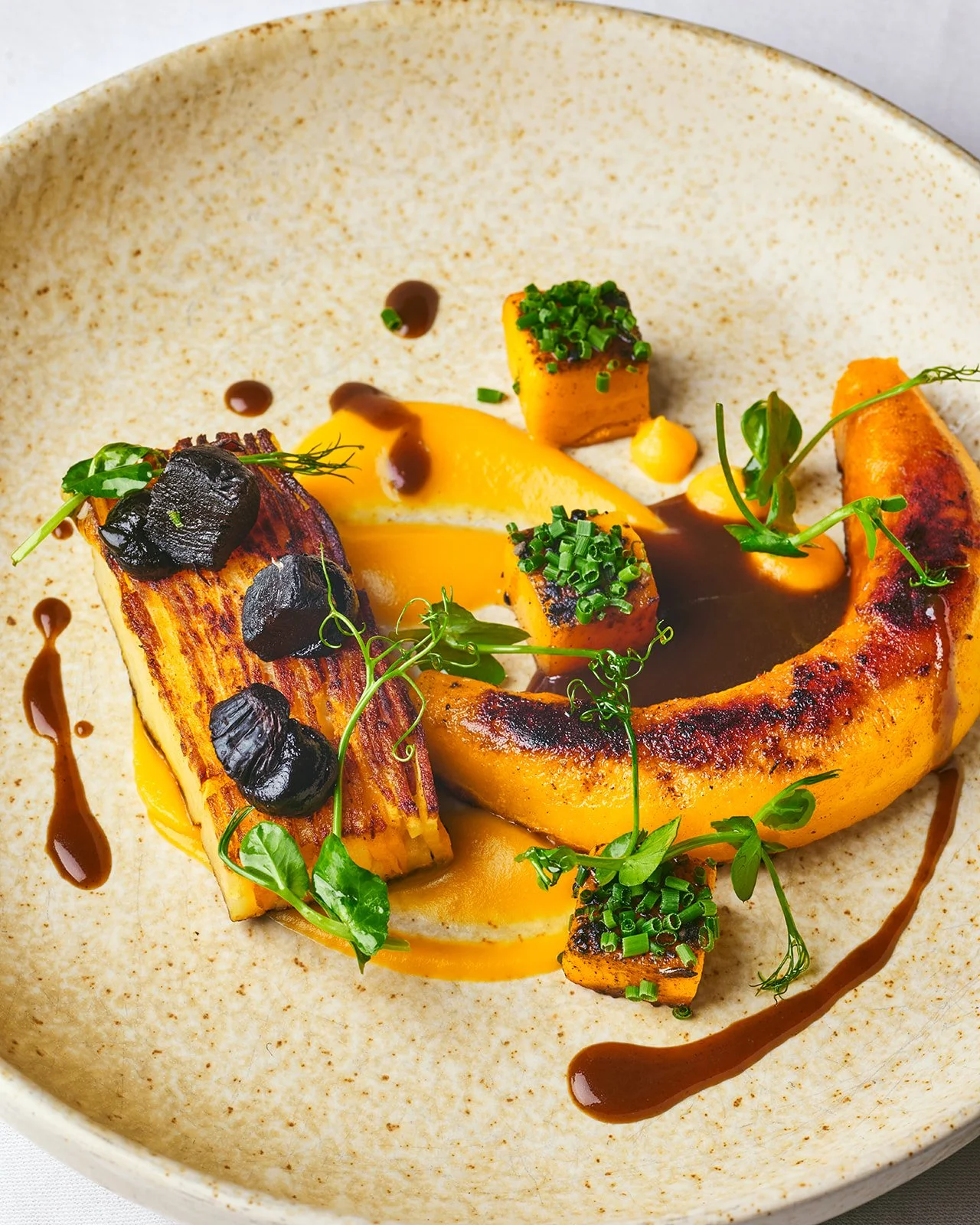
Incredible hero dishes
Clean, cinematic food shots
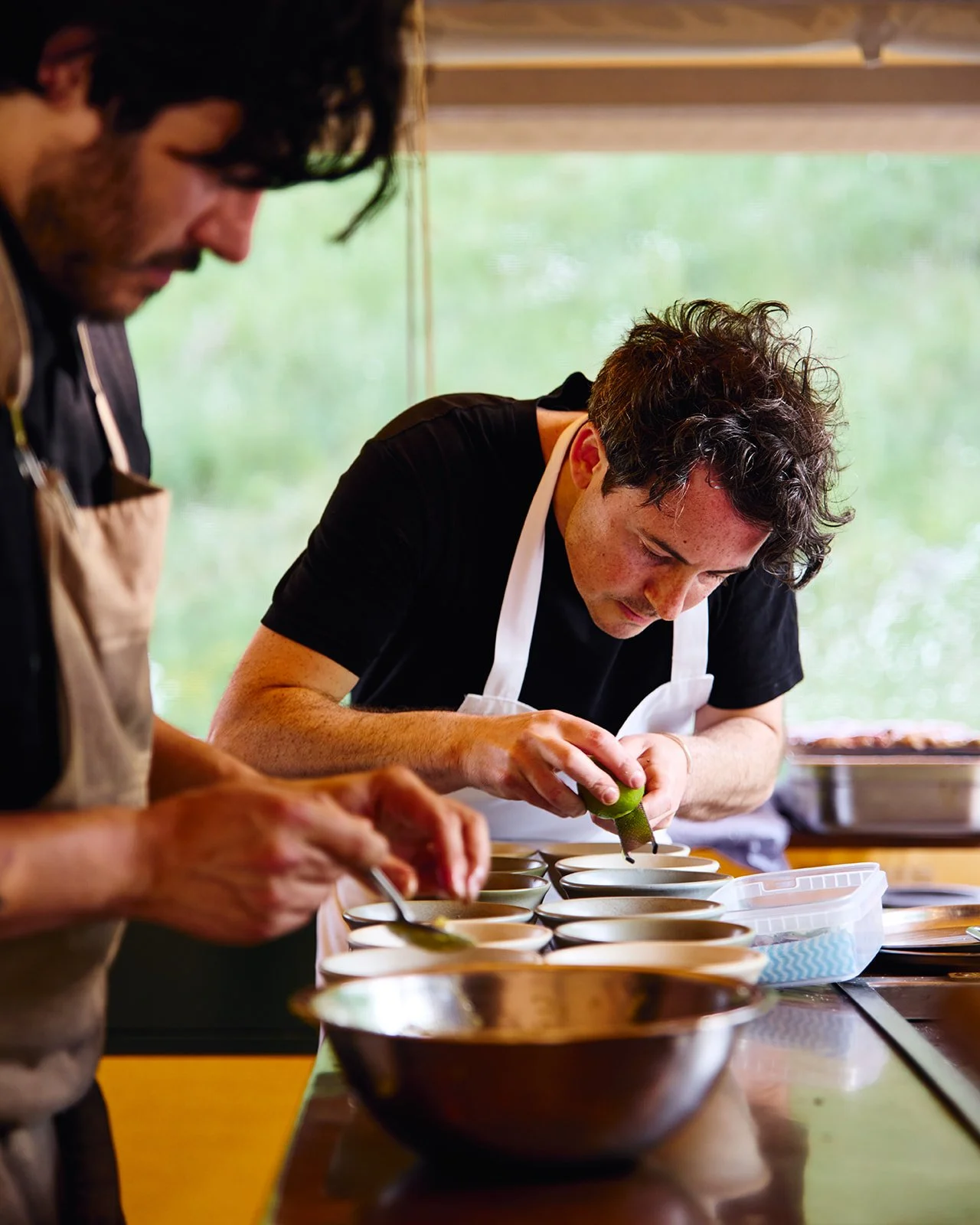
Plating moments
Cocktails being made
The interior atmosphere
Staff interactions
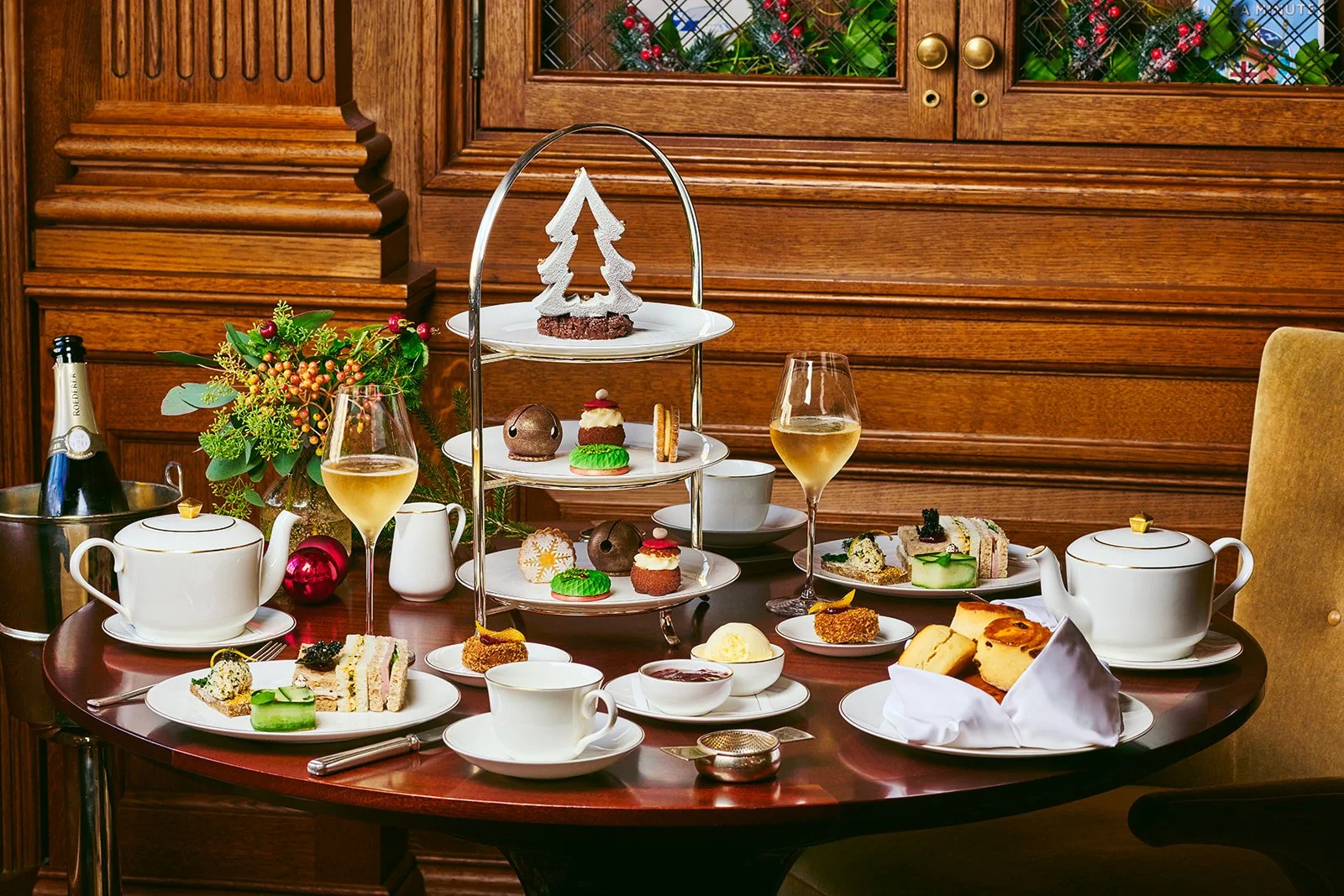
Seasonal menu updates
The “feel” of the restaurant
Quality visuals help customers imagine themselves there.
2. Use Professional Photography for Your Hero Content
Your “hero content” is the backbone of your brand’s social feed. This is the content that represents your restaurant at its very best.
Hero content includes:
Signature dishes
New menu items
Seasonal specials
Interior details
Cocktail features
Dessert highlights
This is where professional photography becomes essential.
Why hero content should be shot professionally:
Better lighting
Consistent branding
Cleaner editing
Perfect framing
Stronger colours and contrast
More appetising shots
More shareable content
Customers judge restaurants visually — and they judge quickly.
One professional dish photo is worth more than twenty rushed phone pictures.
3. Use Video for Engagement and Growth
If photography gives your brand a premium identity, video gives your brand reach.
Instagram and TikTok heavily prioritise video.
Reels and short-form content often perform 5–10x better than still images in terms of visibility.
Types of video that perform exceptionally well:
Plating sequences
Cocktail making
Flames, torching, steam
Close-up ingredient shots
Chef interactions
Behind-the-scenes moments
Pour shots (wine, broth, sauces)
“A day at the restaurant” mini-films
Quick text overlays (“New dish alert”, “Tonight’s special”)
Short-form video is king — not because of trends, but because it shows movement, texture, and emotion.
4. Maintain a Consistent Visual Style
Consistency builds recognition — and recognition builds trust.
Restaurants should aim to keep:
Lighting style consistent
Colour palette cohesive
Editing style recognisable
Angles & compositions similar
Tone aligned with the brand
Example:
Fine dining → clean, minimal, elegant
Casual dining → bright, fun, punchy
Wine bar → moody, warm, atmospheric
Dessert shop → pastel, colourful, playful
A consistent visual identity makes a feed look curated, intentional, and premium.
5. Use Natural Light Whenever Possible (But Not Always)
Natural light is incredible for food — but only if it’s controlled.
Best natural light:
Soft window light
Diffused shadows
Gentle highlights
Worst natural light:
Harsh midday sunlight
Strong yellow/blue colour casts
Patchy lighting
This is why many restaurants hire professionals — controlling light properly is the difference between:
❌ a flat, dull photo
and
✅ a mouth-watering, crave-inducing one
Natural light works best for daytime content or bright restaurants.
For darker venues, controlled artificial lighting creates the clean, premium look.
6. Show the Human Side — People Make Restaurants Relatable
People want to see:
Chefs plating
Bartenders shaking cocktails
Servers pouring wine
Hands breaking bread
Guests enjoying dishes
Smiles, laughs, tiny moments
Human content consistently gets more engagement because it feels real and honest.
Avoid overly staged shots.
Instead:
Capture natural interactions
Let the chef plate as they usually do
Show authentic movements
Include the team in meaningful ways
This creates personality — which separates great restaurants from “just another place to eat.”
7. Mix Hero Content With Quick Phone Clips
High-quality visuals are the foundation of your brand.
But phone clips bring volume, relatability, and authenticity.
Ideal posting strategy:
Professional photos → 2–3 times per week
Professional videos → 1–2 Reels per week
Phone clips / stories → daily or as needed
This balance gives you:
A premium brand image
High engagement
A constant stream of content
Variety without losing quality
Use professional content to anchor your feed.
Use phone content to fill in your day-to-day stories.
8. Showcase Seasonal Menus & Limited-Time Items
Customers LOVE seasonal marketing.
Seasonal dishes drive:
Higher engagement
More shares
Increased bookings
Stronger emotional appeal
Examples:
Christmas menus
Spring dishes
Valentine’s Day specials
Summer cocktails
Autumn desserts
Seasonal shoots give your social media a constant feeling of freshness and excitement.
9. Prioritise Reels and TikTok — They’re Your Growth Engine
If you want more:
Reach
Followers
Saves
Shares
New customers
Reels and TikTok are non-negotiable.
Best performing formats:
5–8 second plating shots
Dramatic flames or sizzles
“Behind the scenes” montages
Chef close-ups
Punchy cocktail pours
Quick transitions
Slow-motion details
These formats perform incredibly well for restaurants.
10. Use Captions That Add Personality
Not every post needs a paragraph.
But captions should feel:
Warm
Confident
Clear
On-brand
Examples:
“Tonight’s special: Monkfish, brown butter & sea herbs.”
“A little behind-the-scenes from service…”
“New dish alert!”
“Spring on a plate 🌿”
“Meet the chef behind our menu 👇”
Short. Human. Effective.
11. Maintain Posting Consistency
Consistency beats perfection.
The best restaurant social feeds:
Post regularly
Mix different types of content
Use professional visuals strategically
Stay active in stories
Share real-time updates
Engage with customers
If you go silent for weeks, you lose momentum — fast.
A monthly content shoot solves this by giving you:
Photos for weeks
10–20 Reels
Backup content
Seasonal updates
A cohesive visual identity
⭐ Conclusion: Better Visuals = Better Social Media = Better Bookings
Improving your restaurant’s social media doesn’t require hacks or tricks.
It requires:
Strong photography
Cinematic video
Good lighting
Authentic storytelling
Consistency
Seasonal updates
Intention
When your visuals look premium, customers assume the entire experience is premium — and they’re far more likely to book a table.
Great visuals aren’t just marketing.
They’re reputation.
They’re brand identity.
They’re the difference between being seen and being chosen.